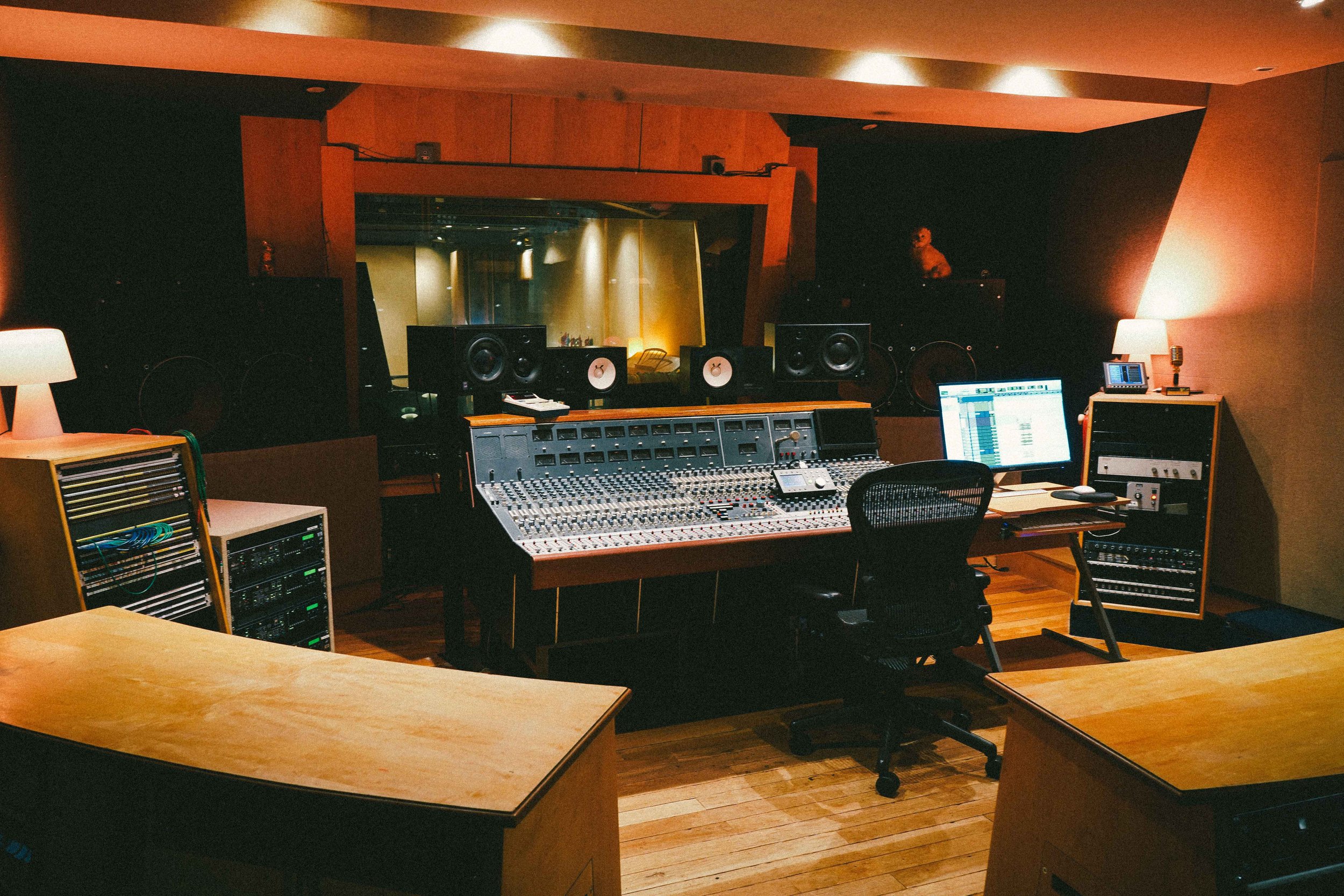
To complete this work I produced a drum beat and accompaniments that reference and tie into queer music. I wanted to make something that didn’t conform classically to modern popular music. I decided that the song shouldn’t have the basic structure of verse – chorus – verse – chorus etc. but rather be one continuous arrangement of swells and dips mainly categorised by the dropping in and out of bass drums and synths. I didn’t want to build a classic drum kit with obvious HiHats and Snares and instead opted to use sounds that resembled them more in frequency than sound.
The sample used throughout the song is from the 1977 BBC news piece titled “Is punk a threat to British Society” in this piece the idea that punk music and the underground music scene is causing young people harm and the beliefs and concerns of the older generation are discussed. I decided to use this sample as the parallels between punk music and modern queer music are difficult to ignore. Both in the way they were viewed musically at the time and the way it was viewed in society. Both were used as a way for the younger generation to express themselves freely in a space that they created themselves and challenged the way that music was created and what it should sound like. I wanted to reference punk especially as I believe that the creation of not only queer music but a lot of other genres such as “rage” music is almost a direct descendant of punk. In the article from non-conformist magazine written by Alexander B. Wolke titled “punk is a mindset” Wolke says that “Punk is the lens in which people can see the world and not be utterly disgusted with themselves giving in to what other people consider to be good.” I think this applies heavily to queer music. The idea that this music is a way for people to express themselves freely without having to conform to societal norms is reflected both in scene itself and the music.
In my song I wanted to start with a more ambient sound to give a similar vibe the song song “hamburger lady” by Throbbing Gristle. Their song doesn’t have a hugely significant rhythm and is led more by the textural aspects of the soundscape it creates. I then brought in the drums to give the song more drive but left out the bass drum at the start as to not conform to the standard drum lines usually seen in popular western music. The heavy kick drum brought in later was inspired by the huge drive brought in by the drums in a lot of SOPHIE’s music. Later in the song I used the sample from the news article as more of a rhythmic section. I cut up the speech and used them like a kick and snare.
I struggled at the beginning to work in a way that wasn’t familiar to me. The temptation to create a chord pattern and cut the song into obvious sections was difficult to ignore. However thinking about the quote from P-Orridge from the article “the queerness of industrial music” by Yetta Howard “You can start with no chords.” I decided I would only really use one note and distort it in different ways. When the vocals start to become more rhythmic at the end I decided to use the synth almost like a voice. Playing with the idea that the instrument was communicating more than what the voice was saying.
I think this experiment has taught me quite a lot. Once the boundaries of music are dropped it opens up a lot more to be played with. The less you have to worry about something sounding pleasing to everyone the easier it is to express yourself in ways that you hadn’t done before. Rather than trying to cram meaning into lyrics or emotion into a chord pattern, expression can appear through how heavy a kick drum is or how calm a synth is played.
Link to the song –
https://drive.google.com/file/d/1UjWfYOg4ybjWjYTCyX5bBVBSIYxCDxIg/view?usp=sharing
References: